Blogs
Application of Particle Swarm Optimization for Physical Property Estimation
20 June 2023
By: Mordekhai
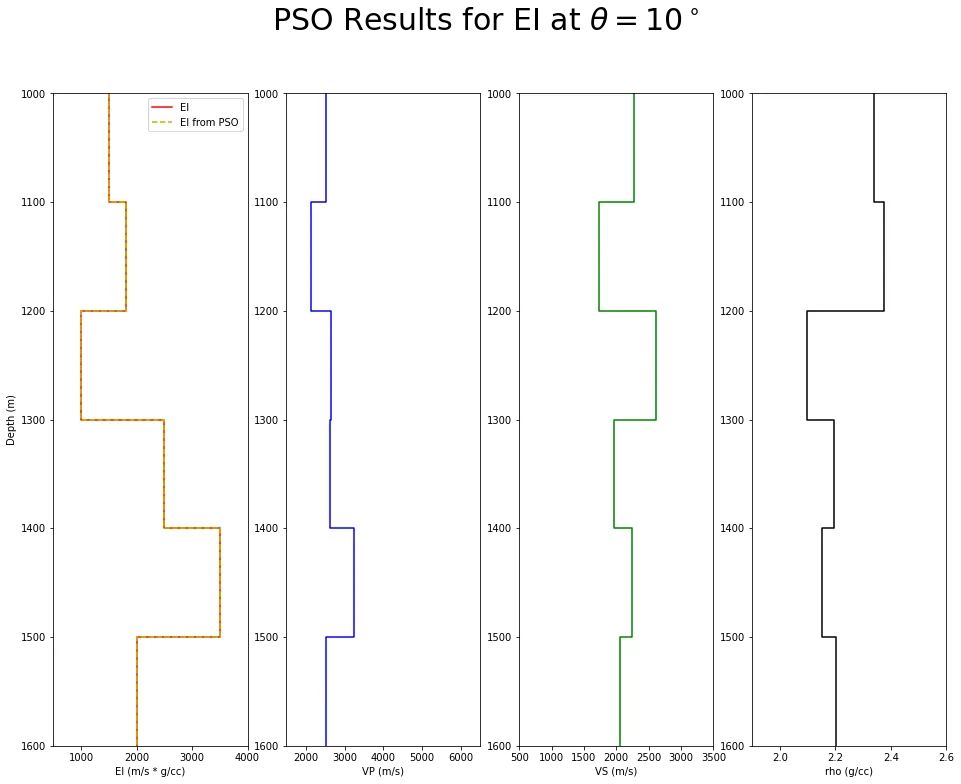
Particle Swarm Optimization (PSO) is an inverse modeling optimization technique inspired by the collective behavior of social organisms, such as bird flocking or fish schooling. It has been widely applied in solving complex optimization problems across different fields. The algorithm maintains a set of candidate solutions and iteratively improves upon them. At each iteration, the particles evaluate their fitness based on an objective function and update their position and velocity based on their own experience and the experience of their neighbors. When applied to the elastic impedance equation, PSO can help determine the most suitable values for Vp and Vs that best fit the observed seismic data.
Semi-Supervised Outlier Detection Using PyOD
09 June 2023
By: Mordekhai
Outlier detection is a crucial step in many data science problems in any field. A lot of outlier detection methods have developed and applied in real life, ranging from univariate descriptive statistics to the use of machine learning/deep learning for multivariate outlier detection.
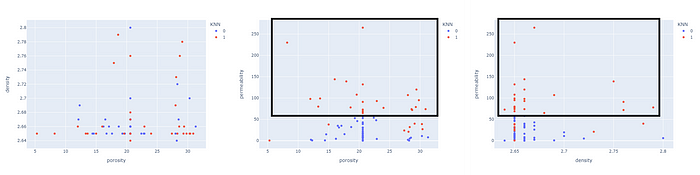
Outlier identification result of KNN method
In this article, we will focus on utilizing various machine learning methods to perform outlier detection in multivariate data. PyOD is the main library used in this article because of its ease in applying various methods according to their respective characteristics.
This article will also introduce Semi Supervised method for anomaly detection, including its application on porosity, permeability and density data.
Read More...Ant Colony Optimization for Finding the Optimal Well Trajectory
02 March 2023
By: Mordekhai
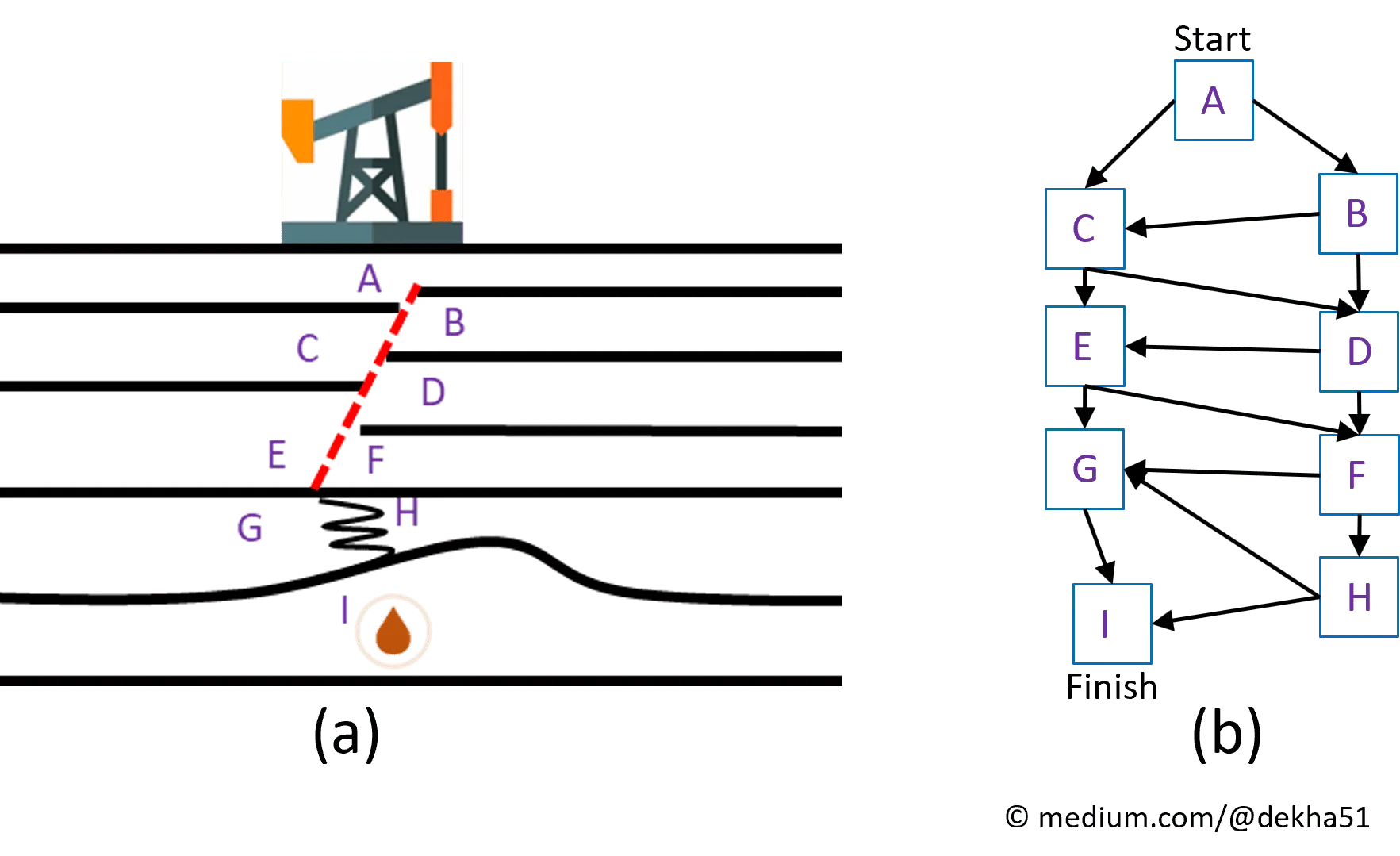
Ant-Colony Optimization (ACO) is a Bio-inspired computational technique that uses the behavior of ant colonies to solve optimization problems. ACO takes advantage of probabilities in the behavior of ant colonies in finding food sources. ACO is often employed to address intricate discrete optimization issues.
In this article, we will use ACO to find the optimal well trajectory based on Point-to-Point Distance (m) and Unconfined Compression Strength (UCS (KPa). UCS is a measure of the maximum stress that a rock sample can withstand before it fails. A high UCS value indicates that the rock is more resistant to deformation and can sustain higher loads without failing, which is indicative of a harder rock. On the other hand, a low UCS value indicates that the rock is less resistant to deformation and can fail at lower loads, which is indicative of a softer rock.
Read More...Quantifying Uncertainty Using Conformal Prediction
08 July 2022
By: Mordekhai
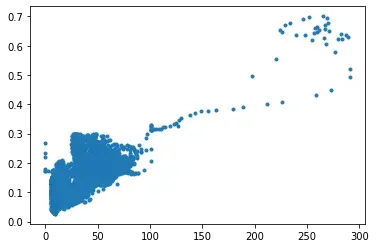
Conformal Prediction is a distribution-free uncertainty quantification. This prediction works on any model and any dataset. Using this techniques, re-train or re-analyze the model is no longer necessary in getting the confidence interval of our prediction result.
The width of the confidence interval (Figure 1) depends on the variation of the sample and sample error. In this article, sample is the target (y) variable and sample error is the error between the actual and predicted value respectively. The greater the sampling error, the wider the confidence interval.
Why is Confidence Interval so Important?
Read More...Pearson, Spearman, and Kendall-Tau Correlations: What are the Differences?
19 May 2022
By: Mordekhai
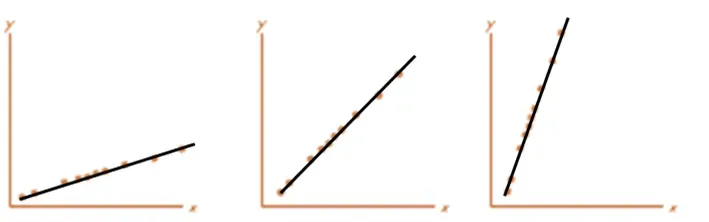
Correlation is one of the many statistical terms that is most often encountered in a lot of scientific cases. Generally speaking, correlation is a parameter that describes the directional relationship between two variables, whether these two variables are related or not.
-
Positive (+) correlation means that the two variables tend to move in the same direction.
-
Negative (-) correlation means that the two variables tend to move in the opposite direction.
Talking about the types of correlation, many of us are not aware that there are various types of correlation. Understanding the types of correlation is somewhat important in order to get valuable insights from our data. In this article, we will discuss the differences between the three types of correlations.
Read More...Agglomerative Hierarchical Clustering Using SciPy
10 March 2022
By: Mordekhai
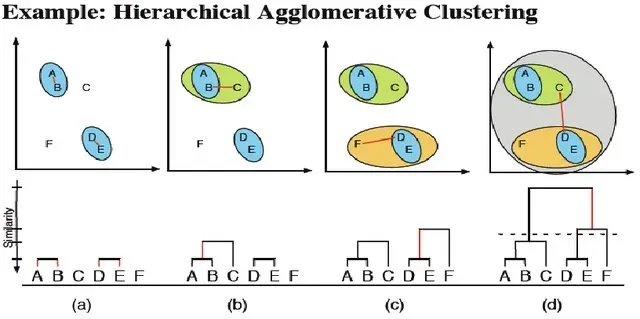
Agglomerative hierarchical clustering is a clustering method that builds a cluster hierarchy using agglomerative algorithm. This method starts with each observation as its own cluster and then continues to group observations into increasingly larger groups.
The data used in this article are from Volve Open Datasets. For this exercise, we will create a subset of the density, permeability, and porosity data.
Read More...Heteroscedasticity Analysis in Time Series Data
11 October 2021
By: Mordekhai
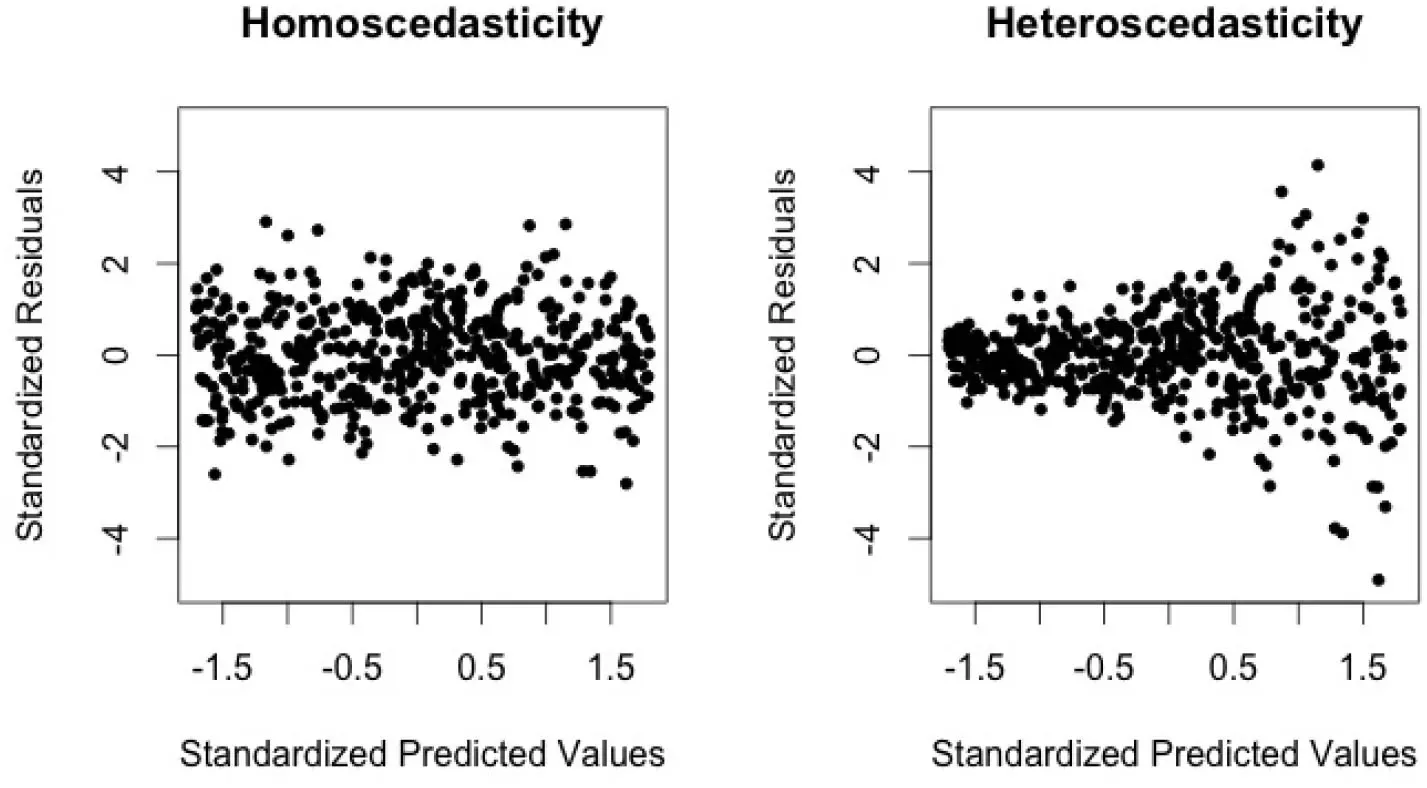
Heteroscedasticity is a condition where the error variance is not constant on the independent variable. Whereas Homoscedasticity is a condition where a variance error is constant in any condition of the independent variable.
The assumption of homoscedasticity is very important in terms of the linear regression model, the result of linear regression will become unreliable if this assumption is not fulfilled.
Read More...Practical Analysis of Evaluation Metrics in Classification Task
11 August 2021
By: Mordekhai
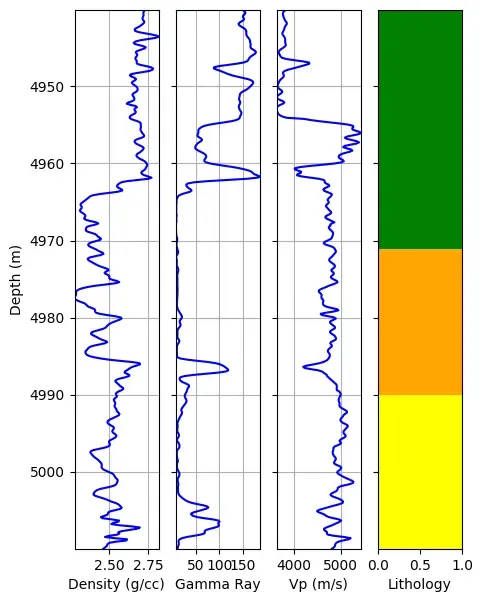
Classification is a supervised machine learning method that is often used in daily practice. There are various evaluation metrics that can be used to evaluate model performance in a particular classification task. This article will use a lithology classification case study to get to know some evaluation metrics that are often used, such as Accuracy Score, F1 Score, and MCC.
Read More...Automate Well Log Availability Checking from Data Library using Python
26 July 2021
By: Izzul Qudsi

Inspecting the available log from our las file is a relatively quite simple task. However, this could be boring and time consuming if we have hundreds of available well in our database. Doing the entire checking of huge number of data manually is also prone of human-error. Therefore, we wrote a set of codes in python which will automate the checking task and could save your time and energy. All you need to do is QC the final report generated by this tool.
Read More...Gravity Data Processing in Python: A Step-By-Step Guide
19 July 2021
By: Mordekhai
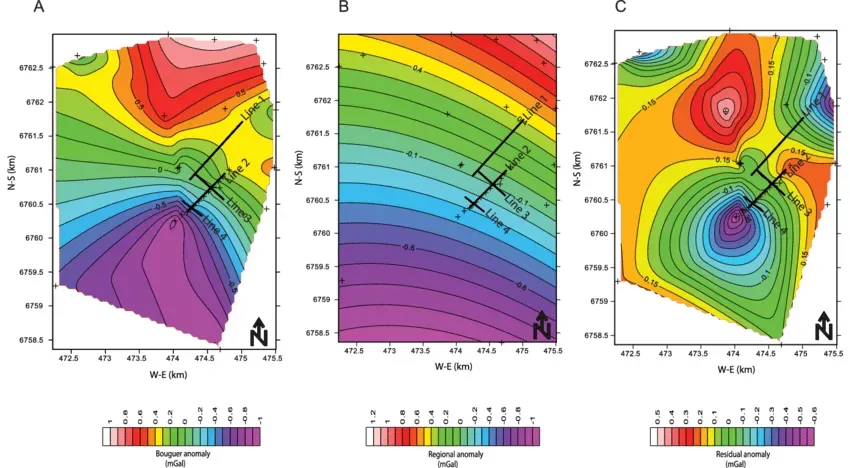
Gravity method is a geophysical method used to determine subsurface conditions based on differences in the gravitational field in a certain area. The measurement of the gravitational field will provide information about a particular density of subsurface conditions. Based on this parameter, a geoscientist can interpret the subsurface structures or rock types of a certain area.
In general, the calculation results of gravity anomaly are divided into three types: CBA (Complete Bouguer Anomaly), regional, and residual anomalies. These results are differentiated based on their purpose and area coverage. The main workflows of this gravity data processing are as follows:
-
Convert CBA measurements at each station to a CBA map
-
Slice a particular line on the CBA map
-
Analyze spectrum on the selected line using Fast Fourier Transform
-
Regional & residual trend analysis
-
Convert regional and residual slice into a map